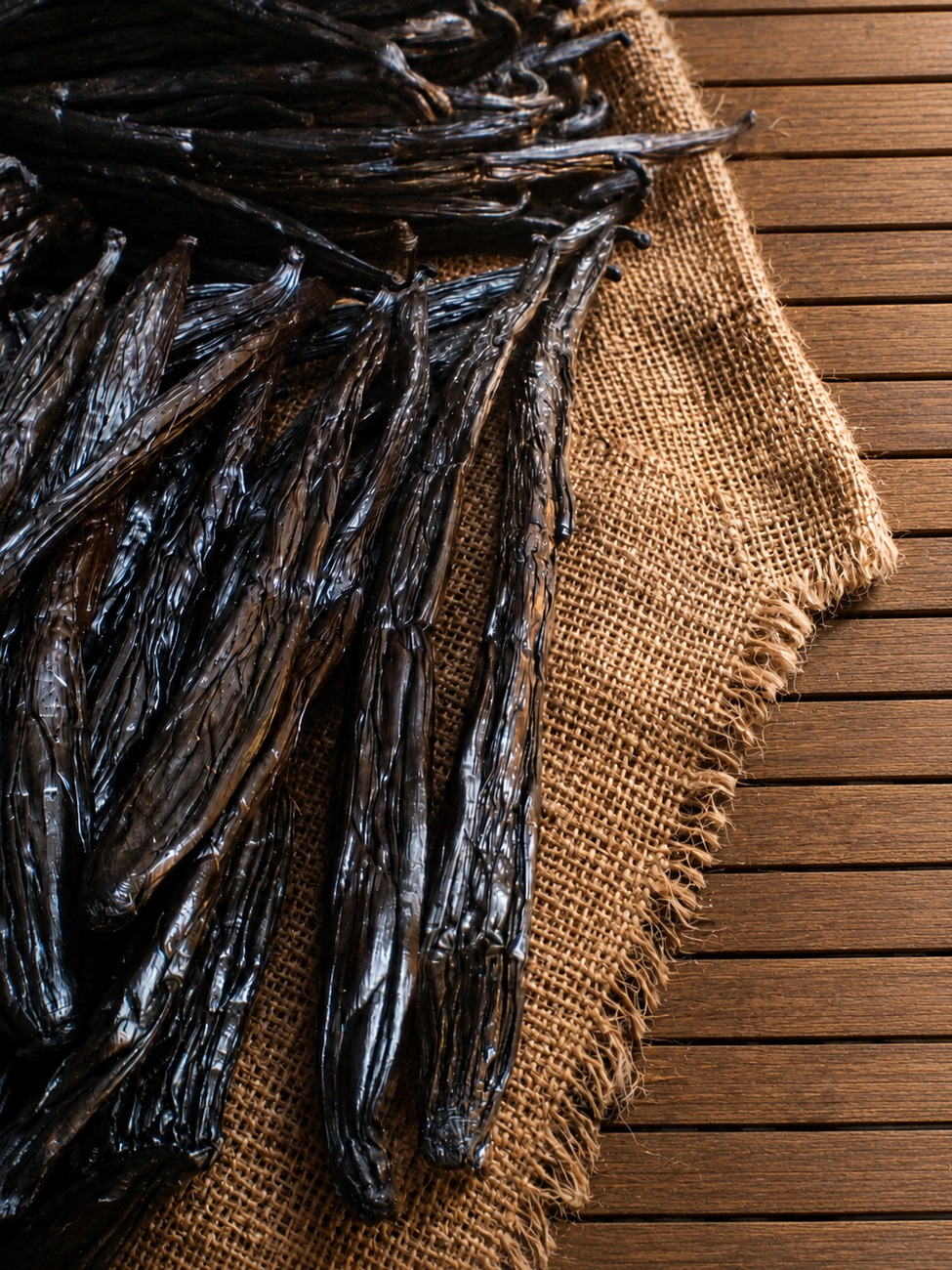
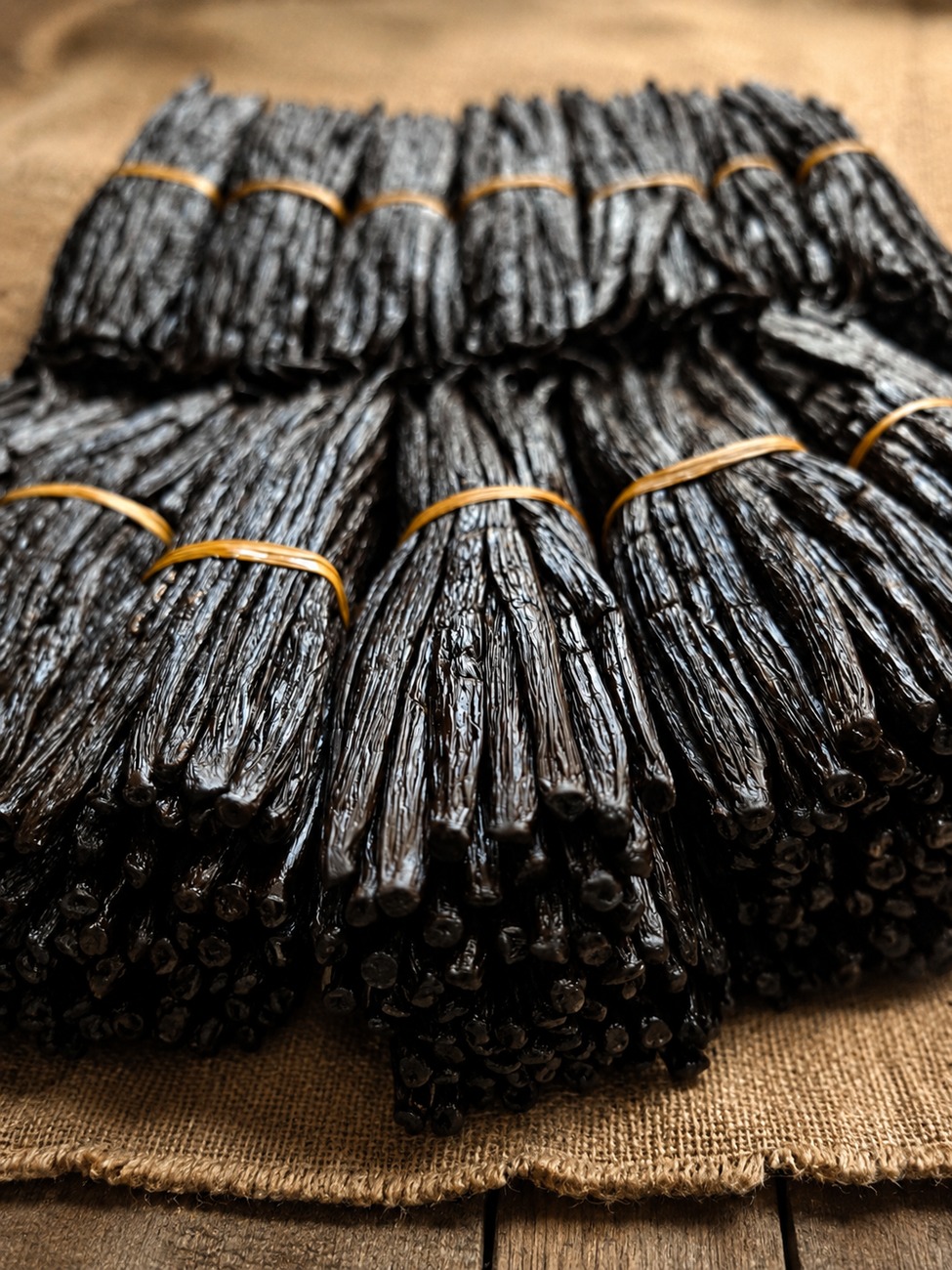
3 varieties, more than 10 aromatic references to explore

Planifolia terroirs

Understanding Planifolia

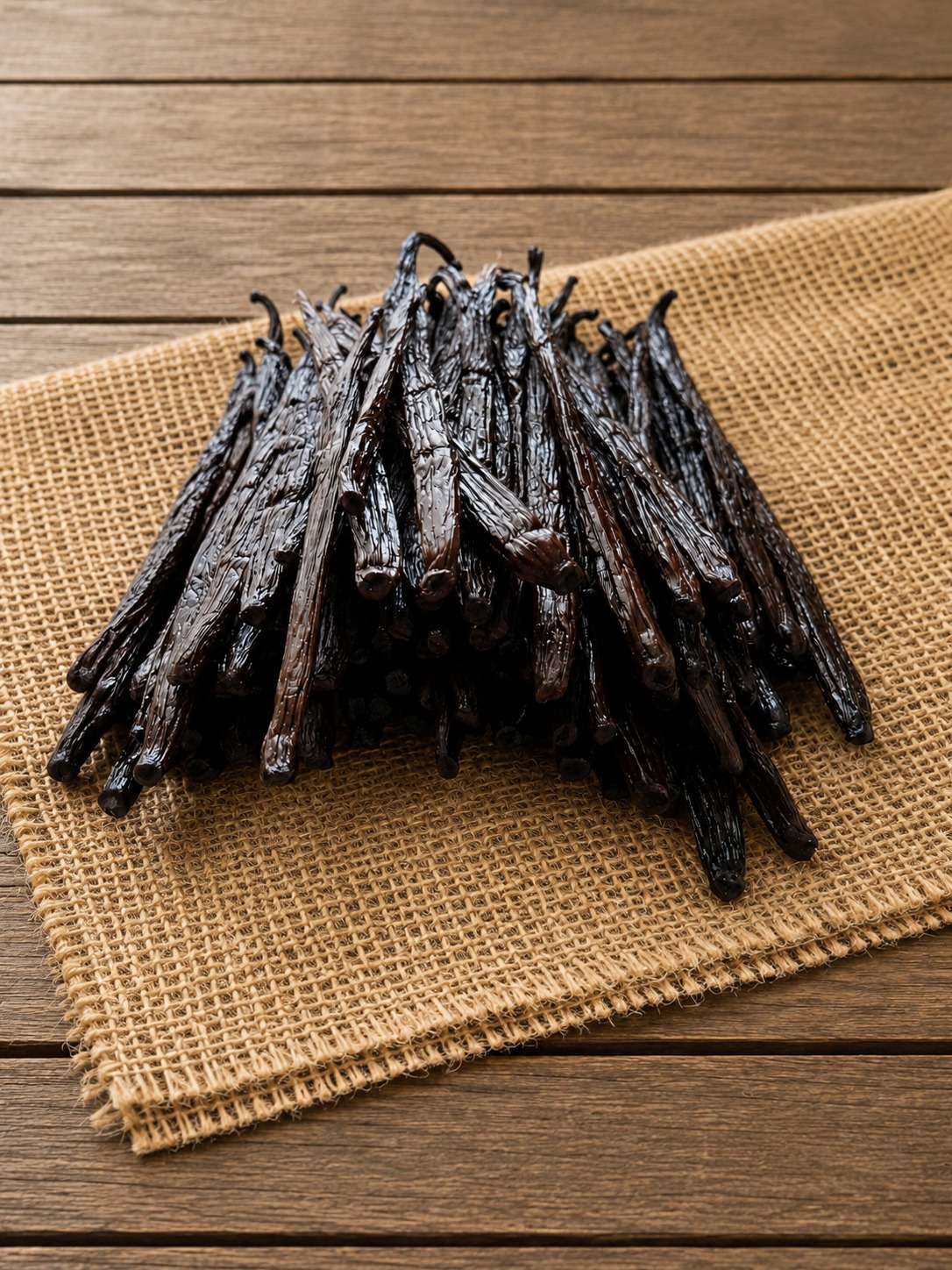
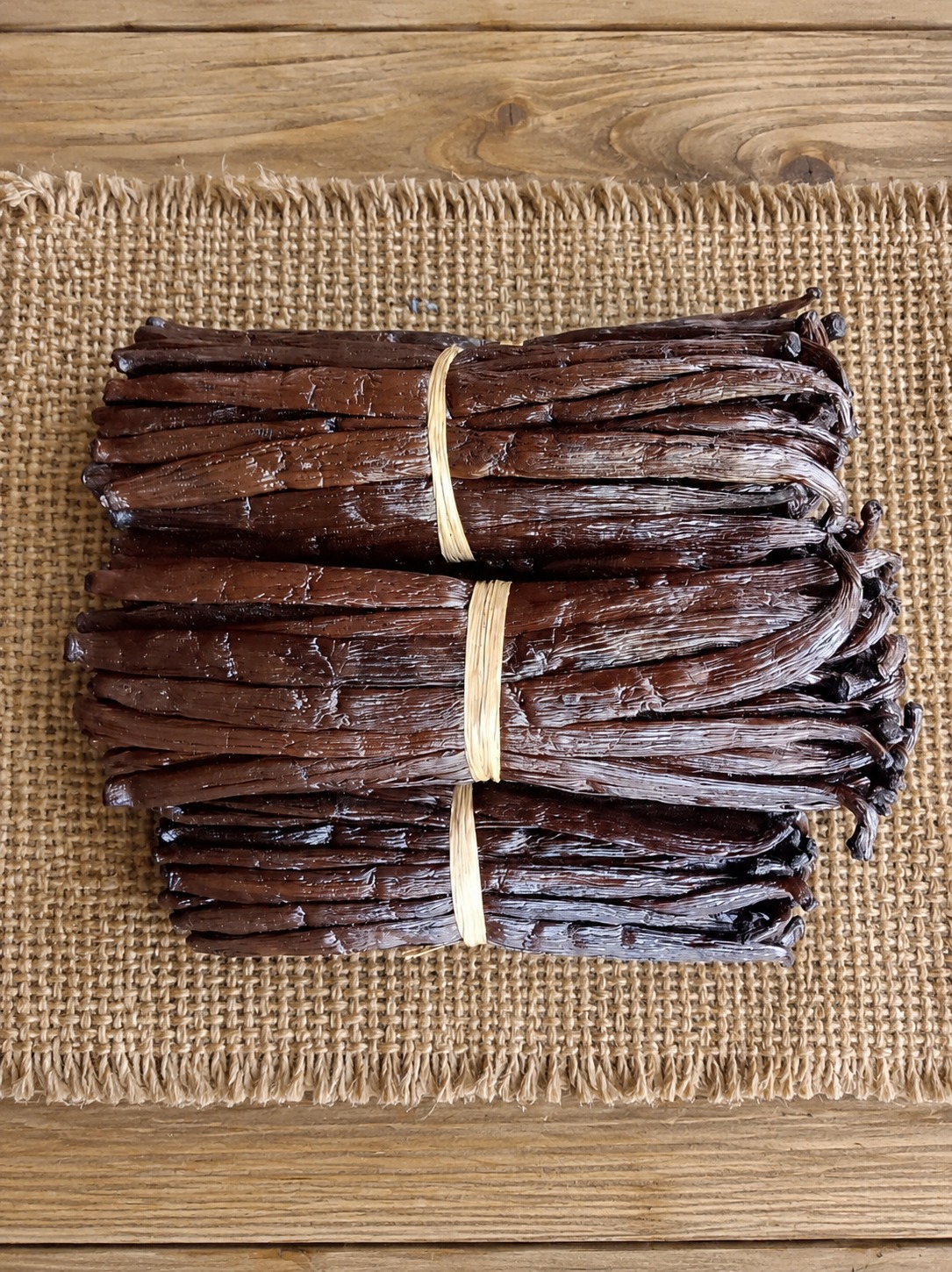
Brought from Mesoamerica and adopted by Madagascar, Planifolia found there the climate that carries it best in the world. Fleshy pods, dense in vanillin, an immediate reading: depth, roundness, matter. The title of queen of spices comes from it.

ANTOKALY works it across several terroirs. The foundation stays the same everywhere, intense, woody, long on the palate. The terroir then signs the accent. Dry heat, misty gulf humidity, ocean exposure, forest canopy density, each plot opens the species in its own direction. The lots below are that expression.

Tahitensis terroirs

Understanding Tahitensis

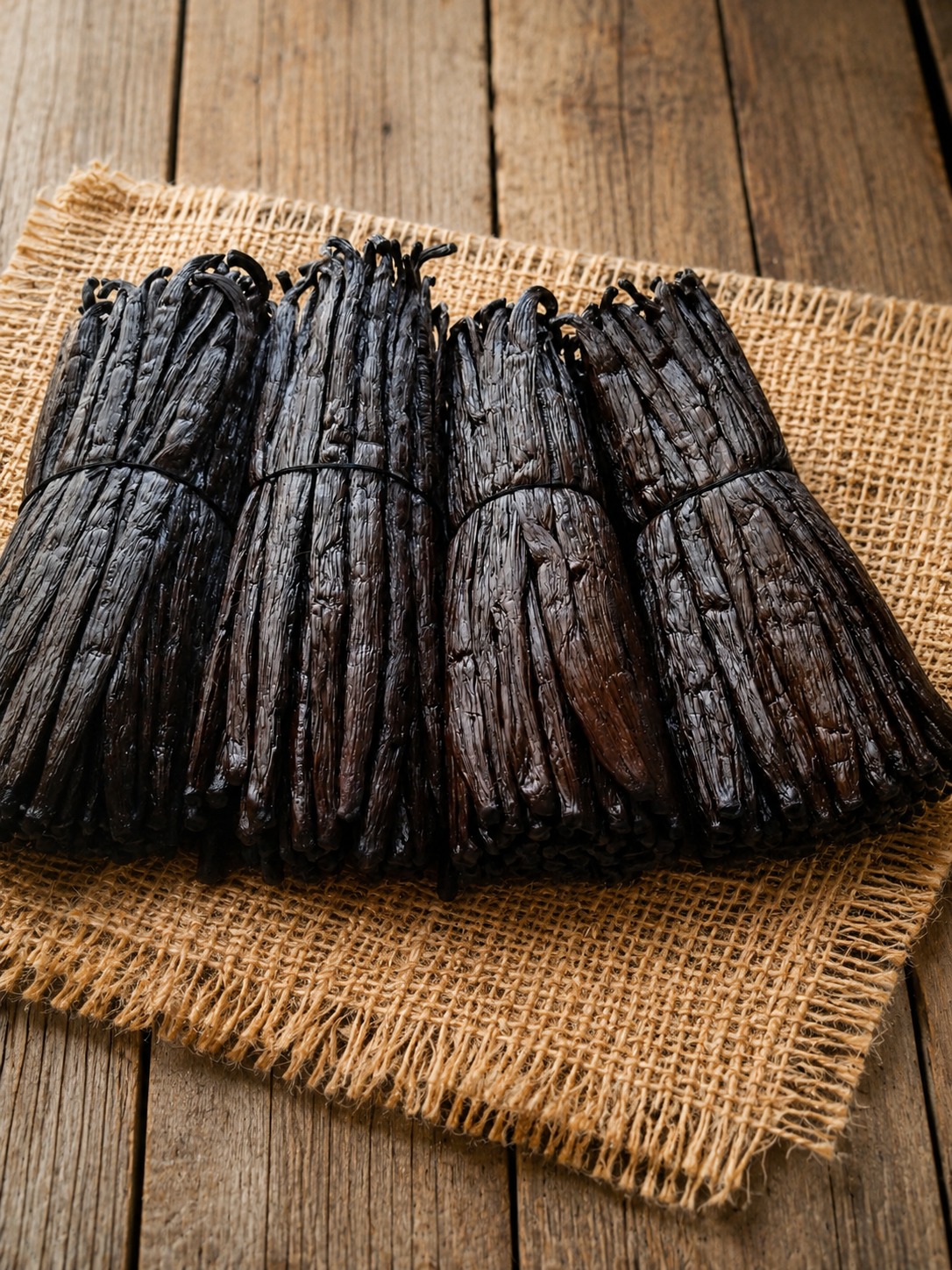
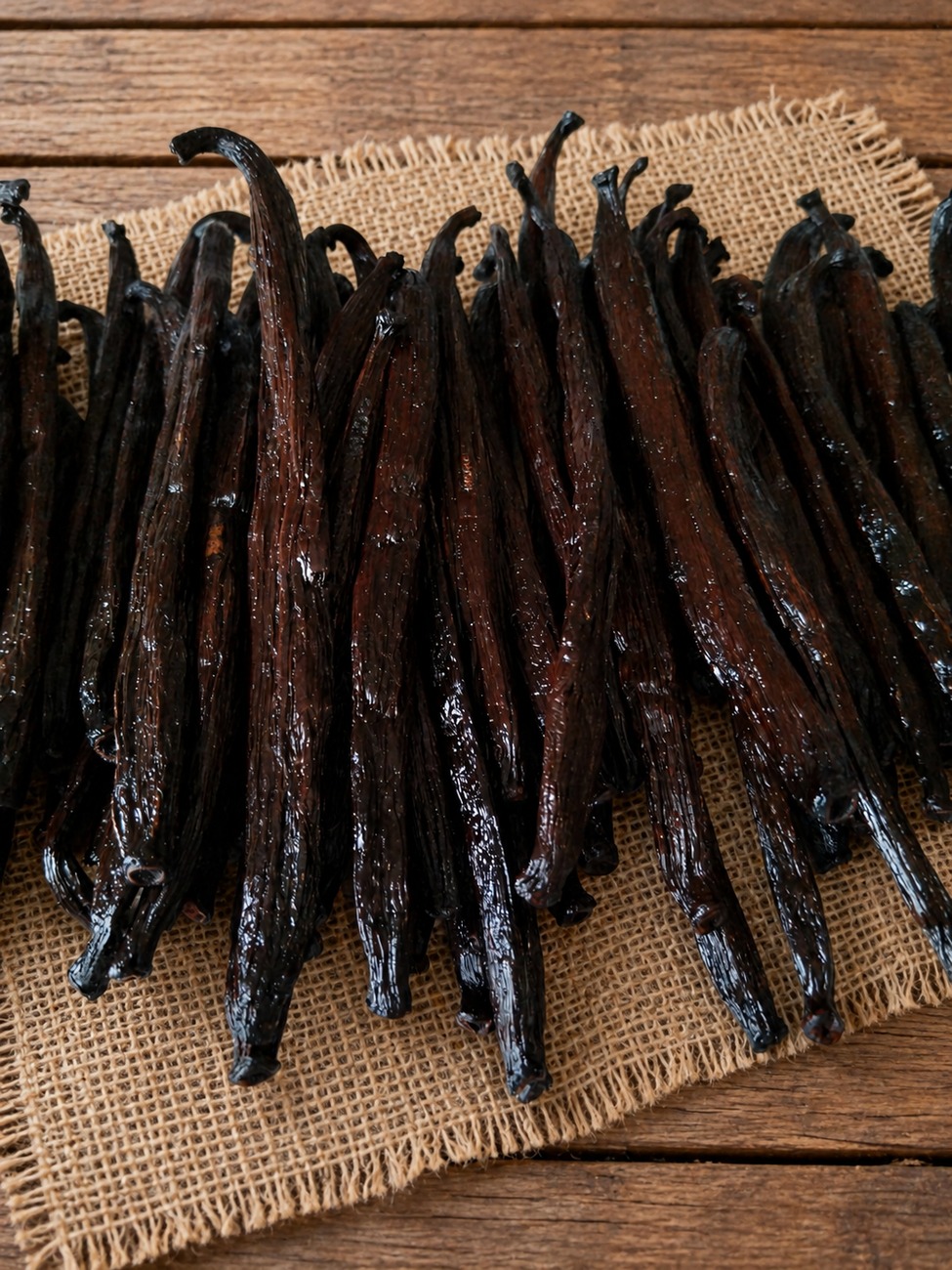
Introduced from Polynesia in the 1970s, Tahitensis evolved in contact with local Planifolia. ANTOKALY favours the most identifiable strains, sometimes in volumes of only a few kilograms per harvest.

Its professional value lies in its difference of use: floral, aniseed, all in finesse, it keeps clarity in creams, fruits, dairy desserts and delicate pairings.

Pompona terroirs

Understanding Pompona

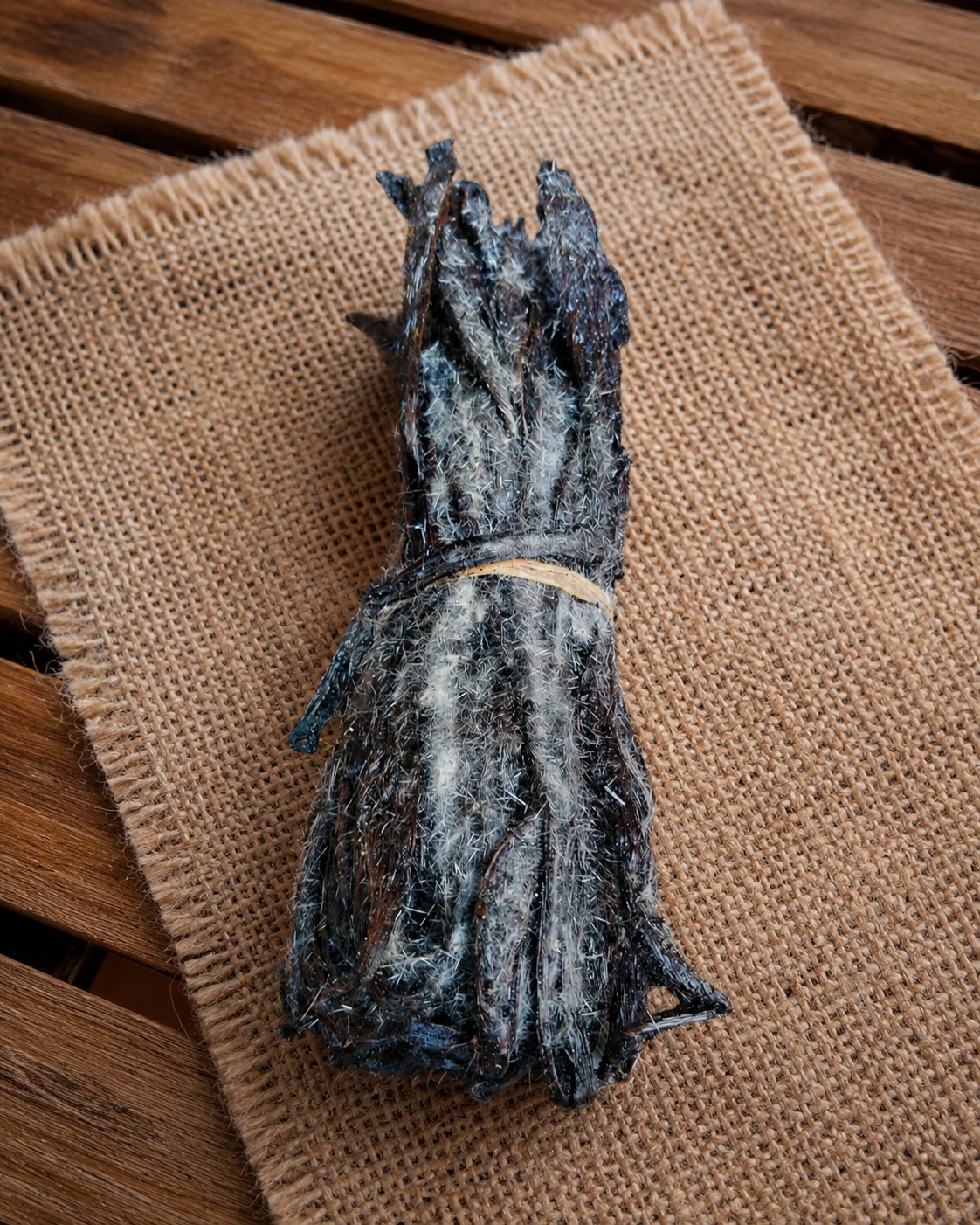
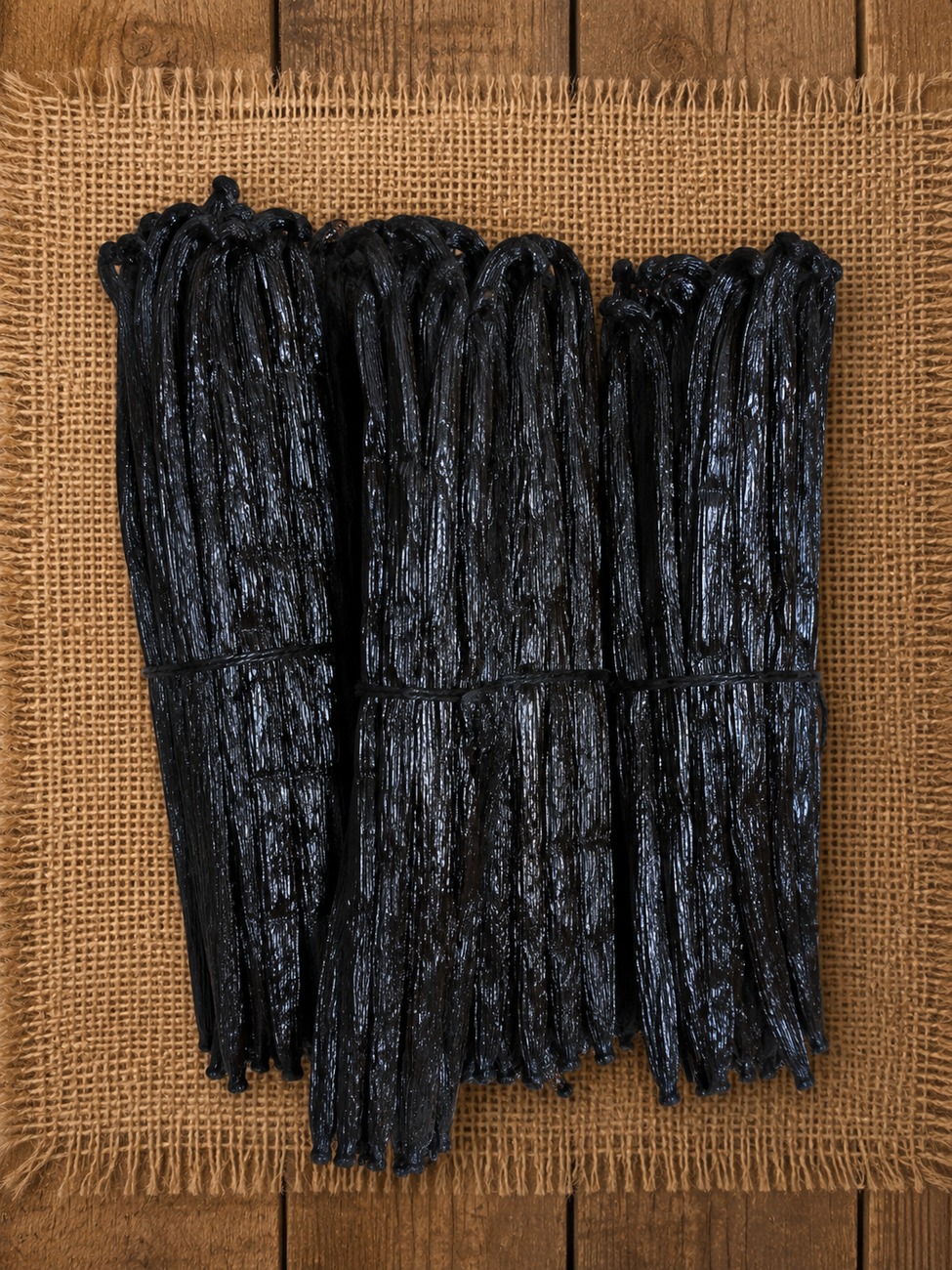
Originally from Central America and introduced to Madagascar in the 1980s, Pompona steps outside the expected register. It calls for a more precise reading, often in small touches.

Its spicy, animalic and coumarinic profile can transform a recipe when dosed as an accent: dark chocolate, ice cream with character, spirits, fermentation and highly controlled savoury pairings.

The imprint of the terroirs

An exceptional biodiversity

Three varieties, several terroirs, as many aromatic signatures to discover.

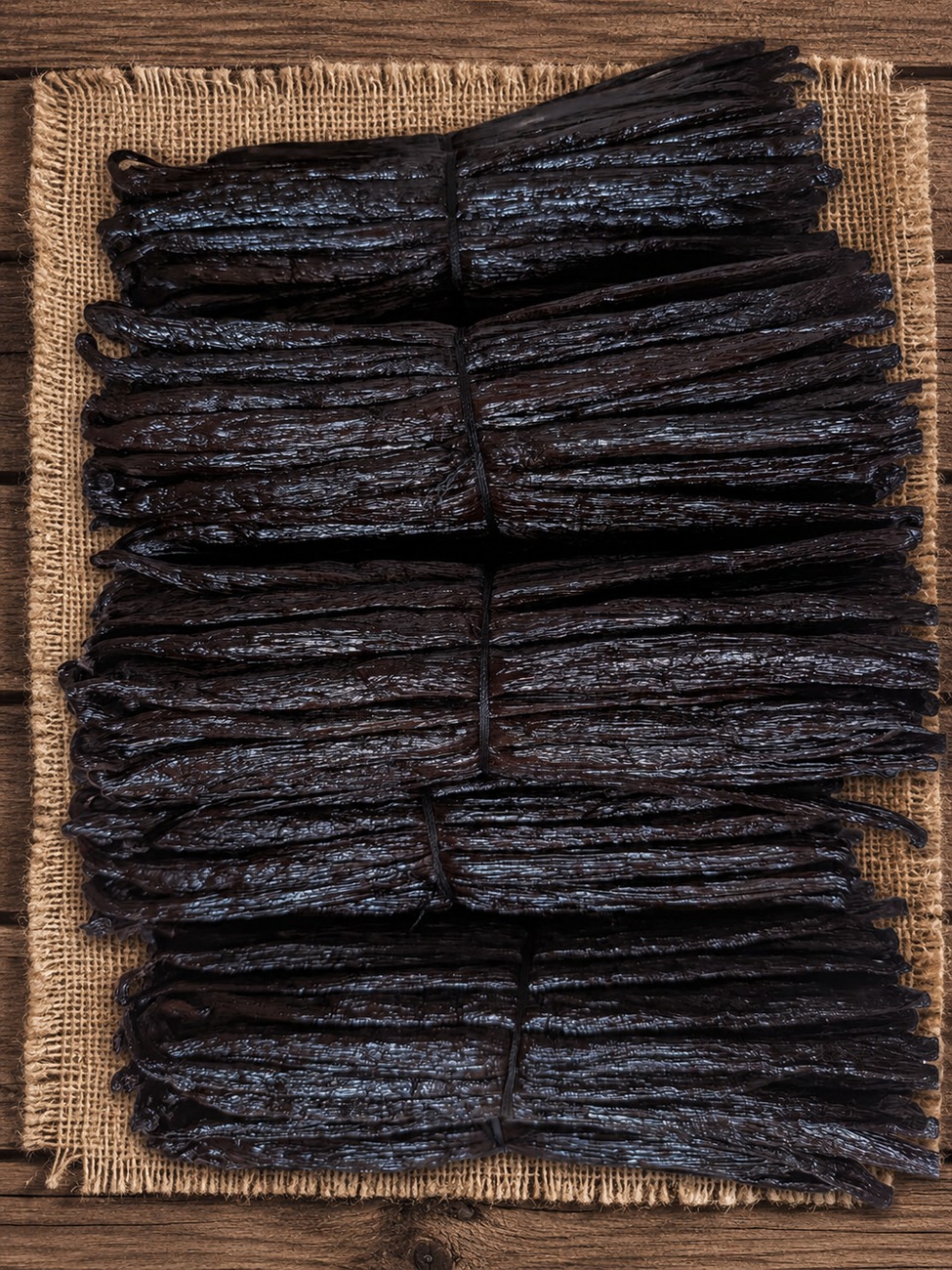
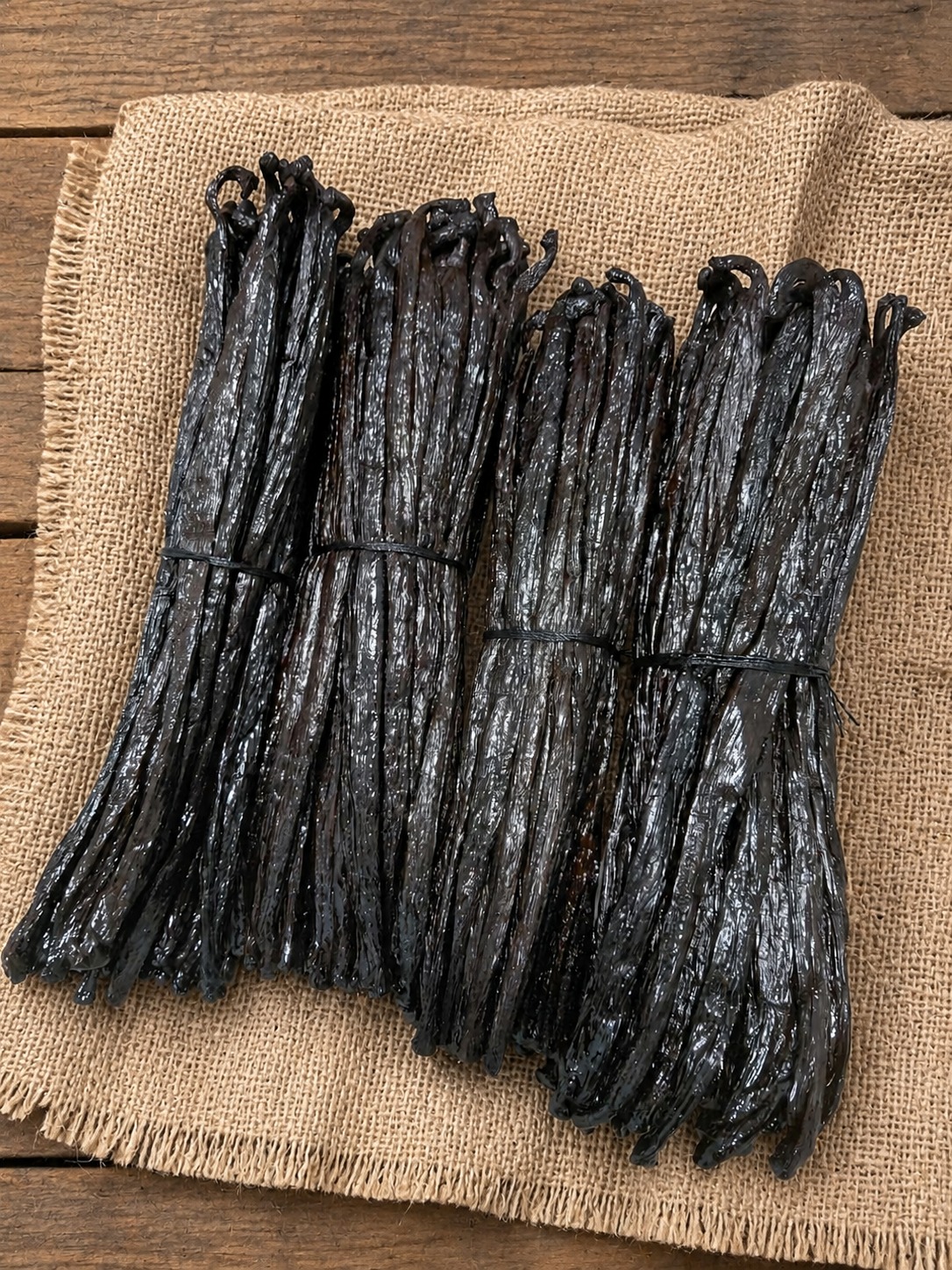
ANTOKALY grows three vanillas with very different characters: Planifolia, Tahitensis and Pompona. Each reacts in its own way to the terroir that welcomes it, to its soil, altitude, climate and forest canopy density. Varieties and terroirs combined form the aromatic palette that the ANTOKALY maturation techniques bring to its full expression. All are grown in agroforestry, following the principles of organic agriculture.

Around them lives a far wider wild flora, nine species born in these forests before spreading to the neighbouring islands. Planifolia, for its part, descends from a lineage introduced on the island around 1870, whose journey from Mexico we retrace.

Two words keep coming back around these vanillas. The one for the plant comes from the Spanish vainilla. The one used by the market, Bourbon, names a provenance and not a variety.

The vanillas are then shipped from Paris to professionals in France and internationally.
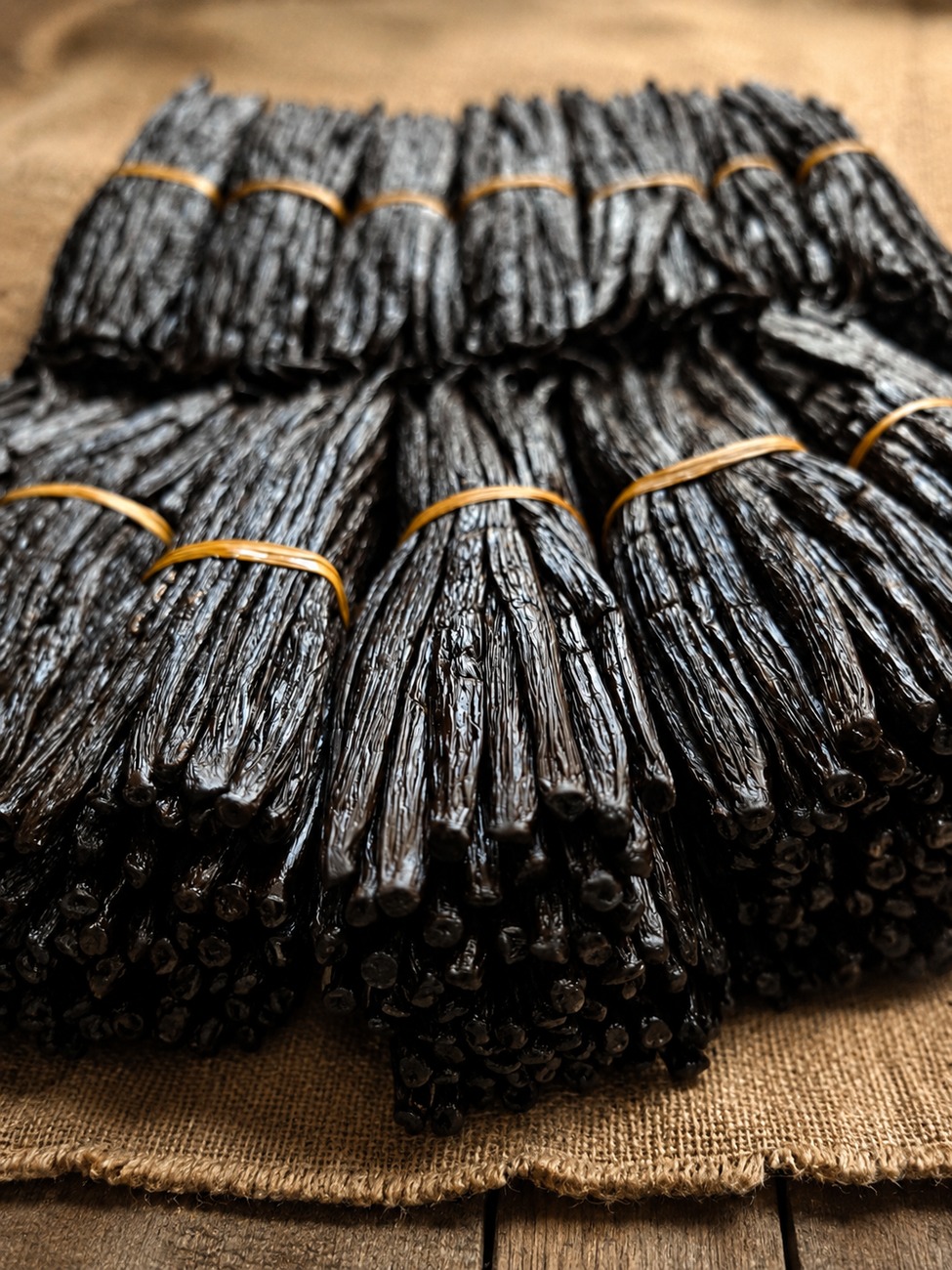
THE AROMATIC MOVEMENTS

The craft that reveals

The terroir gives,
the maturation reveals

A vanilla is born twice. First on the vine, shaped by the soil, the rain and the producer's hand. Then again in our Malagasy rosewood chests, where wood, time and sensory evaluation shape the final signature of the lot.

It is from this maturation, led month after month and lot by lot, that the depth professionals recognise in our vanillas is born. A material ready to carry a ganache, an infusion, a creation.

THE ART OF MATURATION

The creation
is yours

We guide you to the aromatic profile that carries it

Enlarged photo
Sensory selection
Mastered selections
Direct relationships